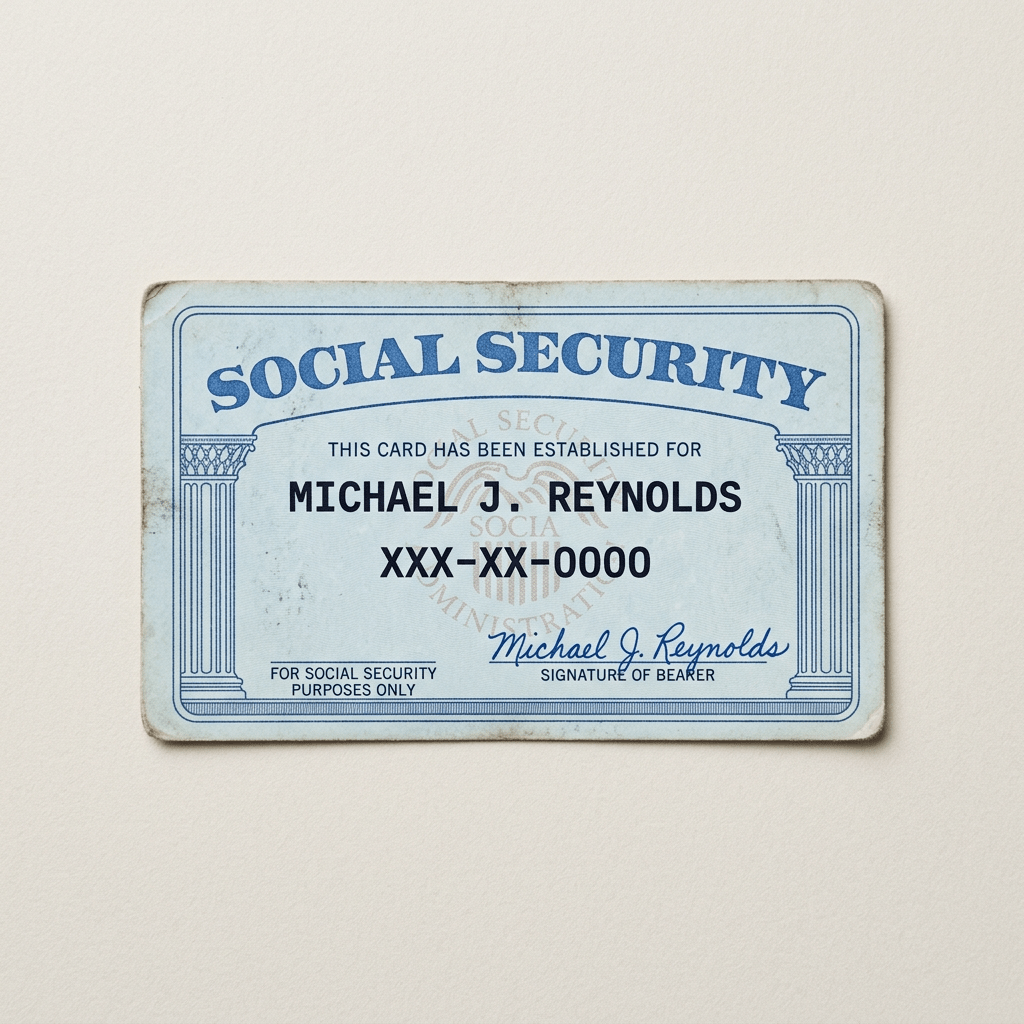
Identity scams are nothing new! Considering that a person’s social security number (SSN) is the foundation of their identity, what better way to commit identity theft than by posing as someone from the Social Security Administration (SSA) in order to obtain that number?

With that in mind, the SSA is warning consumers about scammers posing as government agents and who are now reaching out by phone, text, social media, and other outlets, with the goal of obtaining a person’s SSN.
What’s worse, today’s scammers are using AI to make their communications more convincing than ever before.
In fact, these scams are becoming so sophisticated that the SSA’s Office of the Inspector General posted an alert about scams that involve “the misuse of real Social Security Administration (SSA) and Office of the Inspector General (OIG) employee names, fabricated badge images, and fraudulent social media profiles.”1
Understanding how these work is the first step to protecting yourself against falling prey to such scams.
How These Scams Start
Most Social Security scams begin with an unexpected phone call, text message, email, or even a letter. The scammer claims to be from the SSA and tells you that there’s a serious problem with your Social Security number or your benefits.
They may say your number has been linked to criminal activity, that your payments have been suspended, or that your account needs immediate verification.
The goal is simple: get you to panic.
Some scammers use “spoofing” technology to make it appear as though the call is coming from an official government phone number. Others send convincing-looking emails with government logos or links to fake websites that closely resemble the real Social Security Administration website.
Some might include pictures of what look to be real SSA identity badges, even using real SSA employee names. They might even set up social media pages that look like official government sites.
To keep you protected, consider these scams in more detail.

The Threatening Scams
One common scam involves threats. The caller may insist that you’ll be arrested, fined, deported, or lose your Social Security benefits unless you pay immediately or provide sensitive information.
They often demand payment through gift cards, cryptocurrency, wire transfers, or payment apps. These payment methods are difficult to trace and nearly impossible to recover once the money is sent.
The Friendly Scam
Another version of the scam is much friendlier. Instead of making threats, the scammer claims you’re entitled to a new benefit, cost-of-living adjustment, or refund. To get these benefits, the scammer says that they simply need to “verify” your Social Security number, bank account, or Medicare information.
Also, a scammer might say that your bank account is at risk and that they can move your money to a government-controlled account for your security. Some will say that you need to fill out a form to receive a Cost of Living Adjustment (COLA) and if you don’t fill out the form, you won’t receive the adjustment.
In reality, your bank account is not at risk and the scammer is simply trying to transfer your money to their account. Also, the SSA adds COLA adjustments to a person’s account automatically, without needed added paperwork.
How to Spot a Scam
The Social Security Administration generally does not contact people out of the blue to threaten them, demand immediate payment, or ask for sensitive information over the phone, or vie text or email.
If you receive an unexpected message claiming to be from the SSA, slow down before responding.
One of the best ways to protect yourself is to avoid sharing personal information unless you initiated the contact using an official government phone number or website.
Never provide your Social Security number, banking information, passwords, or one-time verification codes to someone who contacts you unexpectedly.
Don’t Get Intimidated
If a caller pressures you to act immediately, hang up.
Legitimate government agencies will not demand instant decisions or threaten you with arrest over the phone.
Take a few minutes to verify the claim independently before taking any action.
It’s also wise to monitor your financial accounts and credit reports regularly for suspicious activity. Consider creating an online Social Security account yourself before a scammer attempts to do so using your information.
Scammers continue to adapt their tactics, but their goal remains the same: creating fear or excitement to cloud your judgment. Staying informed, remaining skeptical of unexpected communications, and verifying information through official channels are your best defenses.
Remember, a few extra minutes spent confirming a suspicious message can save you from identity theft, financial loss, and countless hours of frustration later.
To learn more, read “The Social Security Administration Warns of New SS-Related Scams” at the AARP website.
- https://oig.ssa.gov/scam-alerts/2026-04-28-new-wave-of-imposter-scams-criminals-using-real-ssa-employee-names-and-fake-badges/ ↩︎
Inna Ellison is a freelance writer from Tampa, Florida, specializing in SEO content and blogs for contractors, construction companies, and more. Inna is proud to create all her material individually, without AI and other digital help.
Be sure to browse her Etsy shop for helpful, practical digital downloads, and her YouTube channel for a bit of fun and whimsy.





 Inna Ellison