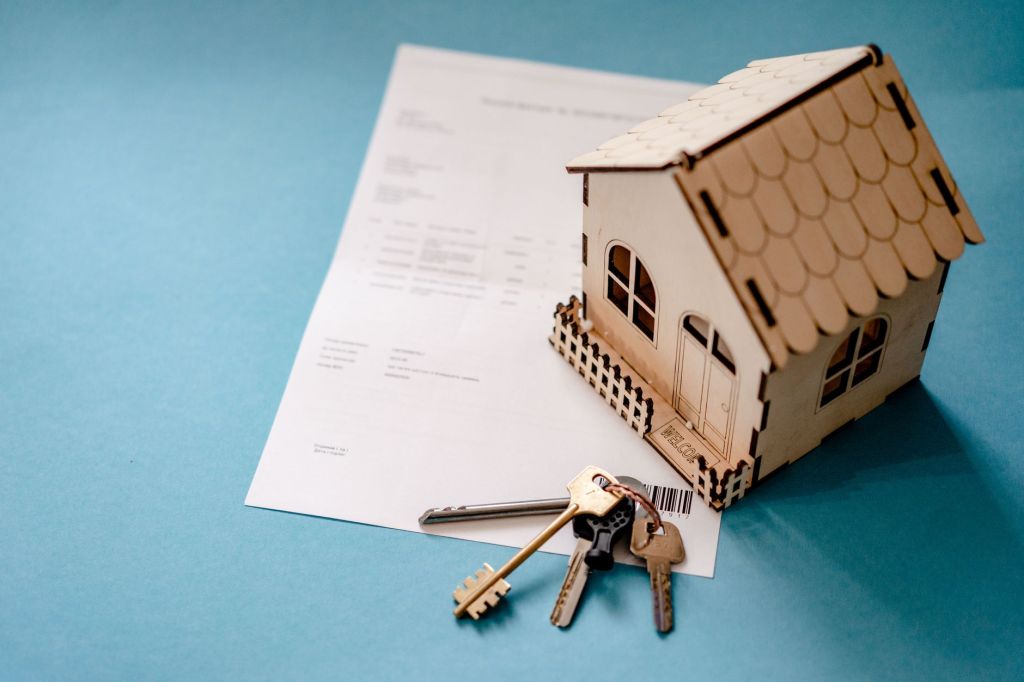
In 2024, a federal court ruling found Home Matters USA guilty of defrauding thousands of homeowners out of millions of dollars through a “mortgage relief” scheme. Home Matters and its partners promised homeowners struggling with mortgage payments and facing foreclosure that they could find relief, lower their payments, and prevent bank repossession.

This scam was so widespread that the Federal Trade Commission announced it would pay over $3 million to homeowners who had been defrauded.1
To ensure this never happens to you or to someone you love, consider how mortgage scams work and how to avoid them.
Mortgage Scam Targets
Mortgage scams often target homeowners who are under financial pressure, especially those who have fallen behind on their mortgage payments or who are facing foreclosure.
Scammers know that people in these situations may be desperate for solutions, and more likely to trust promises that seem too good to be true. Understanding how these scams work can help homeowners recognize warning signs and protect both their homes and their finances.
Stop Foreclosure Scams
One common mortgage scam involves companies or individuals promising to stop foreclosure or guarantee a loan modification, in exchange for an upfront fee. The scammer may claim to have special relationships with lenders or government agencies, and promise to negotiate a better mortgage on the homeowner’s behalf.
After collecting the fee, they either provide little or no service or disappear entirely, leaving the homeowner in an even worse financial position.
Rescue Scams
Another frequent scam is the “rescue” scam. In this scheme, a scammer offers to buy the homeowner’s property and allow them to remain in the home as renters, while rebuilding their credit or getting back on their feet financially.
The homeowner may then sign documents transferring ownership of the property to the scammer. Eventually, they discover they no longer own their home and may be evicted, despite making payments to the scammer.
Emergency Mortgage Relief Scams
Some fraudsters also use fake government program scams, or impersonate mortgage lenders. They send convincing letters, emails, text messages, or make phone calls claiming the homeowner qualifies for emergency mortgage relief.
Victims are instructed to provide personal information, banking details, or to make payments to fraudulent accounts. Once they make those payments, the scammer disappears. These scams often lead to identity theft as well as financial losses.
How to Protect Yourself Against Mortgage Scams
Homeowners can protect themselves against these scams by using common sense, as you would with anyone promising debt relief. First, remember that legitimate lenders generally do not require large upfront fees to discuss mortgage assistance or loan modifications.
Second, if someone guarantees that they can stop a foreclosure regardless of the homeowner’s financial situation, that is a major red flag.
No company can honestly guarantee a specific outcome before reviewing the homeowner’s financial circumstances and working with the lender.
In turn, it’s vital that a homeowner show extra caution if any company makes such promises.
It is also important to verify the credentials of anyone offering foreclosure assistance. Homeowners should research companies thoroughly by going to government agency websites to search for companies promising relief.
Also, check for complaints with consumer protection agencies, and avoid signing documents you do not fully understand. If legal documents are involved, consulting a qualified real estate attorney or HUD-approved housing counselor can provide valuable protection.
Homeowners should never be afraid to ask questions and to insist on seeing the license of any company promising mortgage relief.
Homeowners should never sign over the deed to their property without fully understanding the consequences, and they should never make mortgage payments to anyone other than their lender or an authorized loan servicer without confirming the arrangement directly with the lender.
Mortgage scams prey on fear and urgency, but taking time to verify offers, ask questions, and work directly with trusted professionals can help homeowners avoid becoming victims. Staying informed and acting cautiously are the best defenses against foreclosure fraud.
Inna Ellison is a freelance writer from Tampa, Florida, specializing in SEO content and blogs for contractors, construction companies, and more. Inna is proud to create all her material individually, without AI and other digital help.
Be sure to browse her Etsy shop for helpful, practical digital downloads, and her YouTube channel for a bit of fun and whimsy.





 Inna Ellison