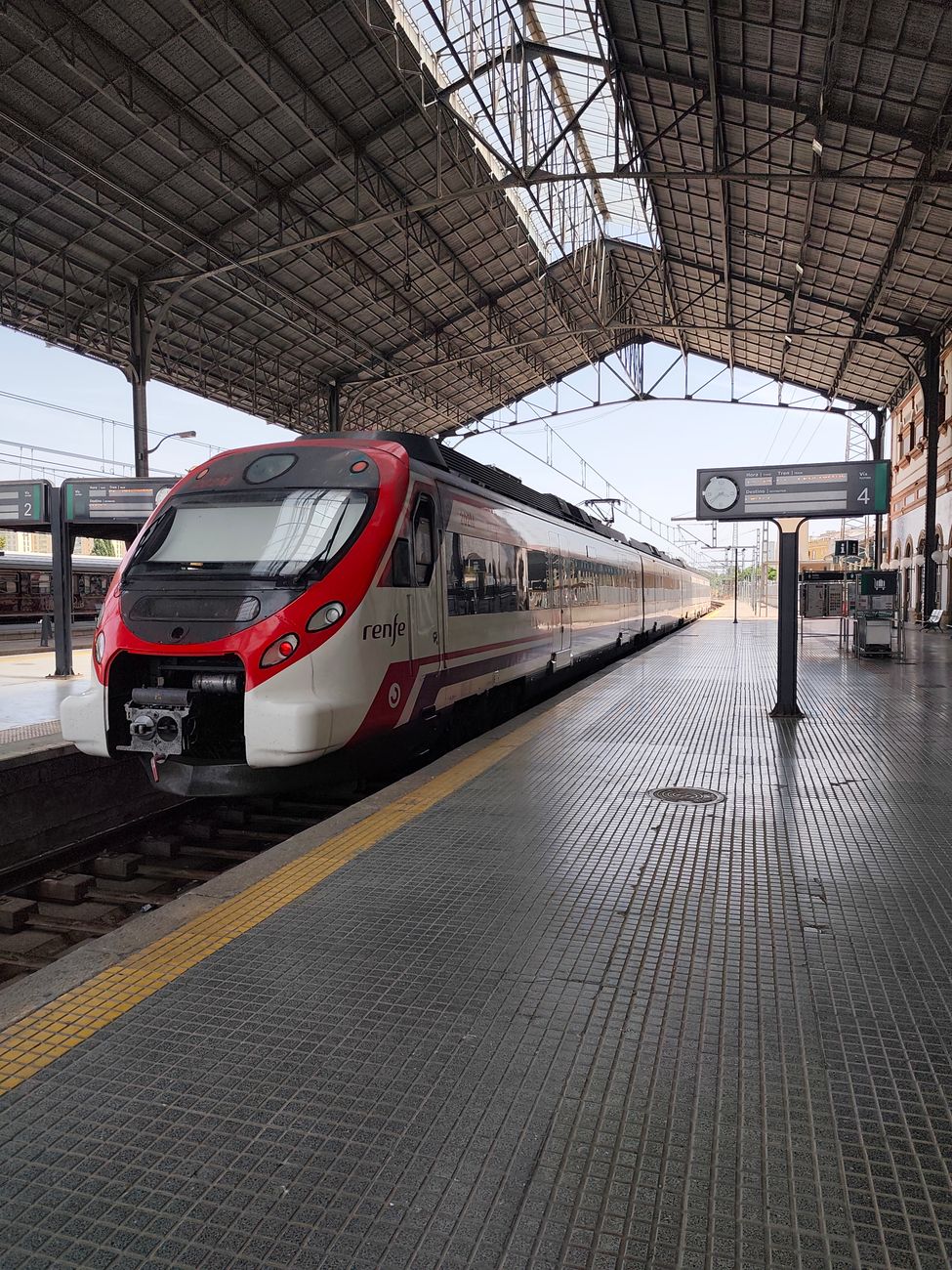
Buying a home is often the most expensive project a person will ever undertake. However, transportation costs might be the most expensive part of that purchase, aside from the mortgage itself!
Understanding this fact and doing some simple math taking it into account before buying a home, or deciding on a new rental, can save consumers thousands of dollars every year.
According to the U.S. Bureau of Labor Statistics, housing and transportation accounted for half of all household incomes in the U.S. in 2024, the most recent year they released these numbers.
However, while home prices and rent have stayed relatively steady since then, transportation prices including the cost of car ownership have risen. New car prices have gone up a whopping 33% in that time, while insurance costs have risen anywhere from 19% to 50%.1
Additionally, gas prices have also risen, with many areas still reporting costs at over $4 per gallon.
Transit Access: The Hidden Cost for Homeowners and Renters
When considering the cost of buying a home, many people focus on the purchase price, mortgage rate, property taxes, and then factors such as the home’s condition and cost of needed repairs, upgrades, and so on.
The cost of transportation is often overlooked when considering a home purchase.
A home’s location can have a major impact on a household’s monthly budget, and choosing a property with convenient access to work, shopping, schools, and essential services can save homeowners thousands of dollars each year.
How the Numbers Break Down
Long commutes often mean higher fuel costs, increased vehicle maintenance, more frequent tire replacements, and greater wear and tear on your car. For households with multiple drivers, these transportation expenses quickly add up to several thousand dollars annually.
Living closer to work or in a neighborhood with grocery stores, restaurants, pharmacies, healthcare providers, and other everyday necessities nearby can significantly reduce these costs. Shorter drives mean fewer miles on the vehicle, lower gasoline expenses, and less money spent on repairs.
Some homeowners may even find they can reduce from two vehicles to one or rely more on walking, cycling, or public transportation, creating even greater savings.
Consider how this might break down. In New York, a homeowner or renter might pay $115 for a monthly subway pass, with an added $100 for late-night Uber fares and the like.
However, in a city without accessible public transportation, a consumer might pay several hundred dollars for a monthly car payment, as well as gas, insurance, repairs, and other costs. Annually, this adds up to several thousand dollars more in car ownership and commuter costs alone.2
Transit Access and a Home’s Value
Transit accessibility can also increase a home’s long-term value. Properties located near employment centers and convenient amenities often remain attractive to future buyers because they offer both convenience and lower transportation costs. As fuel prices and vehicle ownership expenses continue to fluctuate, homes in well-connected neighborhoods may become even more desirable.
Before purchasing a home, buyers should calculate not only their expected mortgage payment but also their estimated annual transportation expenses. A home with a slightly higher purchase price may actually be more affordable over time if it significantly reduces commuting and driving costs.
Considering transportation as part of the overall cost of homeownership can help buyers make smarter financial decisions and enjoy greater savings throughout the years they own their home.
- https://www.usnews.com/insurance/auto/5-year-car-insurance-price-changes-by-state ↩︎
- https://www.realtor.com/news/trends/high-gas-prices-commuter-tax-homebuyers/ ↩︎
Inna Ellison is a freelance writer from Tampa, Florida, specializing in SEO content and blogs for contractors, construction companies, and more. Inna is proud to create all her material individually, without AI and other digital help.
Be sure to browse her Etsy shop for helpful, practical digital downloads, and her YouTube channel for a bit of fun and whimsy.




 Inna Ellison