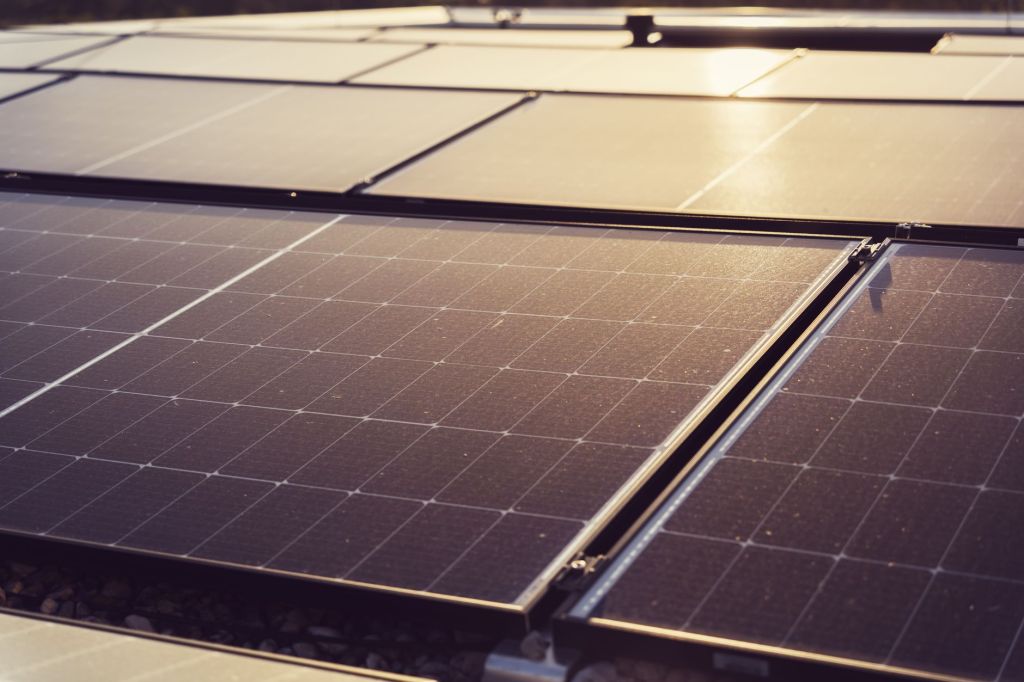
Solar panels have become increasingly popular as homeowners look for ways to reduce electricity bills and use cleaner energy. However, with aggressive sales tactics, misleading advertisements, and stories of disappointing results, many people wonder whether solar panels are actually a scam.
The short answer is no—solar panels themselves are not a scam. They are a proven technology that can provide significant long-term savings.
However, some companies use deceptive marketing practices, making it important for consumers to do their research before making a purchase.
The Pros of Solar Panels
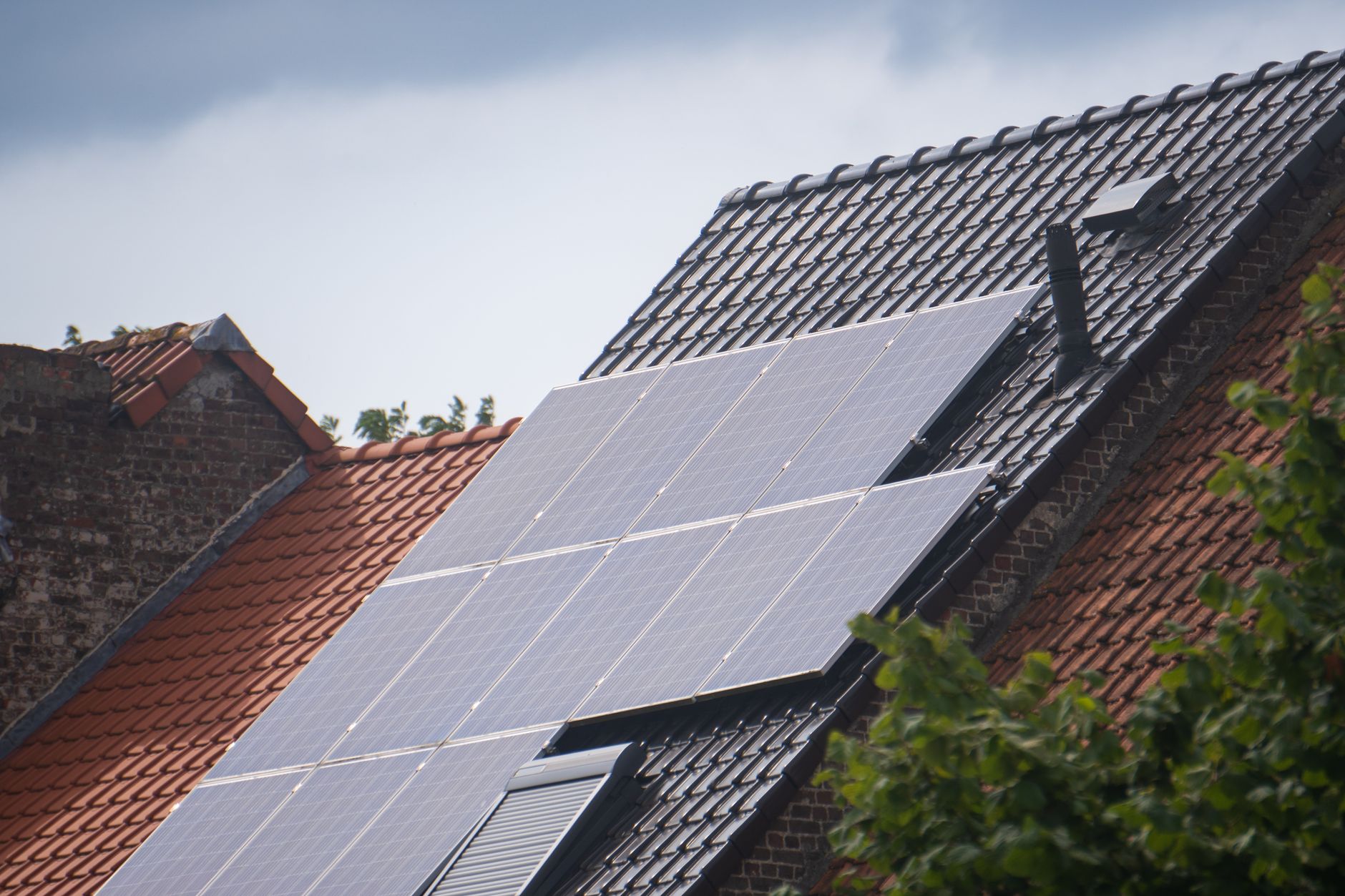
One of the biggest advantages of solar panels is the potential to lower monthly electricity costs. Once installed, a properly designed solar system can generate much of the electricity a home needs, reducing dependence on the power grid.
Over time, many homeowners save thousands of dollars on utility bills. Solar panels also increase the use of renewable energy, reducing greenhouse gas emissions and helping the environment.
In some areas, government incentives, tax credits, and net metering programs can make solar installations even more affordable.
Why Solar Isn’t for Everyone
Despite these benefits, solar panels are not the right choice for everyone. The biggest drawback is the high upfront cost, although financing options can reduce the initial expense.
Homeowners should also understand that savings vary depending on location, roof orientation, local electricity rates, and weather conditions. Solar panels generate less electricity on cloudy days and produce little or no power at night, although grid-connected systems or battery storage can help address these limitations.
Additionally, if a homeowner plans to move within a few years, they may not remain in the home long enough to recover the installation costs.
What to Look Out For
The biggest source of complaints often comes from dishonest sales practices rather than the solar technology itself.
For instance, some companies promise unrealistic savings, claim that the government will pay for the entire system, or pressure homeowners into signing contracts without fully explaining financing terms.
Others may exaggerate how much electricity the system will produce or fail to disclose maintenance responsibilities and warranty limitations.
How to Avoid Solar Panel Scams
Choosing a reputable installer is the best way to avoid these problems. Start by researching companies with strong customer reviews and several years of experience.
Ask for multiple quotes instead of accepting the first offer. Also, a trustworthy installer should provide a detailed estimate showing:
- expected energy production
- total system cost
- financing terms
- warranties
- estimated savings
They should also inspect your roof and explain whether your home is a good candidate for solar rather than guaranteeing savings before evaluating your property. A reputable installer will check your property’s sunlight exposure, if the roof needs repairs before solar installation, and if the roof is spacious enough to accommodate enough solar panels for your needs.
It is also wise to verify that the installer is properly licensed, insured, and certified where required. Finally, read every contract carefully and avoid companies that use high-pressure sales tactics or insist that an offer is only available “today.”
In conclusion, solar panels are not a scam, but the solar industry does include some dishonest companies. By understanding both the benefits and limitations of solar energy and carefully selecting a qualified installer, homeowners can make an informed decision and enjoy the financial and environmental advantages that solar power can provide for many years.
Inna Ellison is a freelance writer from Tampa, Florida, specializing in SEO content and blogs for contractors, construction companies, and more. Inna is proud to create all her material individually, without AI and other digital help.
Be sure to browse her Etsy shop for helpful, practical digital downloads, and her YouTube channel for a bit of fun and whimsy.



 Inna Ellison